


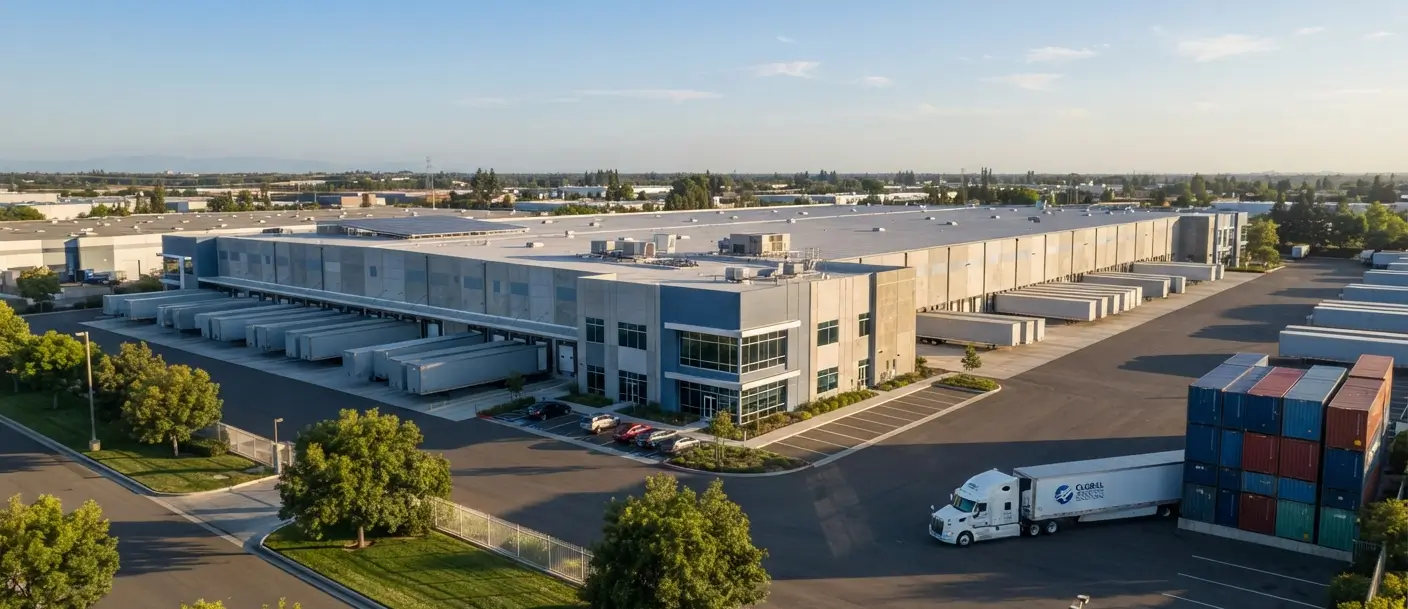
Logistics is an important part of everyday life in the United States. Whenever you order something online, buy groceries, get a package, or shop at a store, logistics helps move the products from one place to another. Logistics service is more than just shipping. It covers storage, stock tracking, delivery planning, order tracking, returns, and on-time customer delivery.
The US logistics market includes many different services. Some companies handle transportation while others focus on warehouses, freight management, delivery, or several services together. Understanding logistics services can help a business choose the right logistics partner and control shipping costs.
What Are Logistics Services?
Logistics services cover the activities involved in moving and managing goods from the point of origin to the final customer.
For example, imagine an online clothing company based in California. The company may receive products from a manufacturer, store them in a warehouse, send customer orders through a delivery carrier, and handle returns.
The exact logistics services needed depend on its products, customers, locations, shipping volume, and delivery requirements.
Major Types of Logistics Services in the US
The US market includes several important logistics services. Some businesses use only one service, while larger companies may use several services at the same time.
1. Freight Transportation
Freight transportation involves moving goods between different locations. It forms one of the most important parts of the US logistics system. Businesses can move freight by truck, rail, air, or water. The best option depends on the type of goods, distance, delivery deadline, and transportation cost.
Trucking and Road Transportation
Trucking plays an important role in US freight movement because trucks can reach warehouses, stores, factories, and customer locations directly.
Businesses use different trucking services based on shipment size. Full truckload shipments use most or all of a truck’s available space. Less-than-truckload shipping allows multiple businesses to share truck space when their shipments do not fill an entire truck. Trucking gives many companies the flexibility they need for shipping within the country.
2. Warehousing and Storage
Warehousing means storing products before shipping them out to stores, customers, or other places. A warehouse does more than provide space. Workers may receive products, organize inventory, pick customer orders, pack shipments, and prepare goods for transportation.
For example, an online retailer may keep thousands of products in a warehouse. When a customer orders something, warehouse workers find the item, pack it up, and get it ready to ship.
Good warehouse management helps businesses cut down on delays and keep track of their inventory.
3. Third-Party Logistics Services
Third-party logistics, commonly called 3PL, allows a business to outsource some or all logistics activities to another company. A 3PL provider may handle warehousing, transportation, inventory management, order fulfillment, and other logistics tasks.
This can help a growing business avoid building its own warehouse network or hiring a large logistics team. For example, a small online business may sell products across several states. Instead of storing every product at home or renting its own warehouse, the business can work with a 3PL provider that stores inventory and ships customer orders.
4. Freight Forwarding
Freight forwarding helps businesses arrange the movement of goods, especially when shipments travel through multiple transportation methods or cross international borders. A freight forwarder can help coordinate shipments, transportation arrangements, documentation, and other parts of the shipping process.
For example, a US company importing products from another country may work with a freight forwarder to coordinate the shipment from the overseas supplier to the company’s US destination.
Freight forwarding can make complex shipments easier to manage.
5. Last-Mile Delivery
This delivery is the final step of getting a package to the customer’s doorstep. This part is crucial for online stores because shoppers want fast and dependable delivery. For instance, a box might move from a factory to a distribution hub, then to a local station. That very last trip from the station to the customer’s home is the last mile. Businesses often focus heavily on last-mile delivery because delays at this stage directly affect the customer experience.
6. Parcel and Package Delivery
Parcel delivery focuses on smaller shipments such as individual packages, online orders, documents, and other relatively small goods. Businesses can use parcel carriers to send products directly to customers throughout the US.
E-commerce has made parcel delivery an important part of modern logistics. A retailer may ship hundreds or thousands of individual orders each day rather than sending one large shipment to another business. Tracking also lets businesses and customers follow packages while they are on the move.
7. Air Freight
Air freight moves goods by aircraft. Businesses generally use air transportation when speed matters more than the lower cost that other transportation methods may offer.
For example, a company may use air freight for urgent business shipments, time-sensitive products, or certain high-value goods.
Air freight can move products across long distances quickly, but businesses should compare the cost with other transportation options before choosing it.
8. Rail Freight
Rail freight moves goods using trains. It can transport large quantities of cargo across long distances. Businesses often use rail as part of larger transportation networks. A shipment may travel by train for a major portion of its journey and then move by truck to its final destination.
Rail can work well for certain bulk and heavy shipments where speed does not have the same importance as it does for urgent deliveries.
9. Ocean and Port Logistics
Ocean transportation plays an important role in international trade. Ships can carry large quantities of products between countries. However, ocean shipping involves more than the journey across the water. Goods must move through ports and connect with other transportation methods.
Port logistics can involve cargo handling, storage, transportation coordination, and movement between ships, trucks, rail networks, and warehouses. US businesses that import or export products often need several logistics services to move goods from an international supplier to a final destination.
Logistics Service Comparison
| Logistics Service | Main Purpose | Common Business Use |
| Freight transportation | Moves goods | Domestic and regional shipping |
| Warehousing | Stores products | Inventory and order preparation |
| 3PL | Outsources logistics | E-commerce and growing businesses |
| Freight forwarding | Coordinates complex shipments | International trade |
| Last-mile delivery | Delivers final shipment | Online orders |
| Parcel delivery | Ships smaller packages | E-commerce and retail |
| Air freight | Fast transportation | Urgent shipments |
| Rail freight | Moves large loads | Long-distance freight |
| Ocean logistics | Moves international cargo | Imports and exports |
How Do Businesses Choose the Right Logistics Service?
There is no single logistics service that works for every business.
A company should first understand what it needs to move, where it needs to send products, and how quickly customers expect delivery.
- Consider Shipment Size: A company shipping small packages may need parcel delivery services. A manufacturer moving large quantities of products may need truckload, rail, ocean, or a combination of transportation methods.
- Consider Delivery Speed: Urgent shipments may require faster transportation. Businesses that can wait longer may have more economical options.
- Consider Location: A company serving customers across the country may need a wider warehouse and distribution network. A local business may only need regional transportation.
- Consider Total Cost: Businesses shouldn’t just look at shipping prices. Warehousing, handling, packaging, fuel, storage, insurance, and other fees all add up to the final cost of logistics.
What Is Reverse Logistics?
Reverse logistics handles products moving back from customers or other destinations. Returns provide a simple example. A customer may return a product to an online retailer. The company then needs to receive the item, inspect it, decide whether it can be resold, and determine what happens next.
Reverse logistics can also involve repairs, recycling, product recalls, and other return-related activities. For retailers, an organized returns process can help control costs and reduce unnecessary waste.
Final Thoughts
The US logistics market includes many services, from trucking and warehousing to freight forwarding, 3PL, air freight, rail transportation, parcel delivery, and last-mile delivery.
Each service solves a different business need. A small online retailer may mainly need warehousing, order fulfillment, and parcel delivery. A large manufacturer may need trucking, rail, warehousing, and freight management. An importer may need ocean transportation, port services, freight forwarding, and domestic delivery.
The right logistics setup depends on the company’s products, locations, shipment volume, delivery expectations, and budget. Understanding these major types of logistics services can make it easier for businesses to plan shipments, compare providers, and build a supply chain that works for their customers.
