


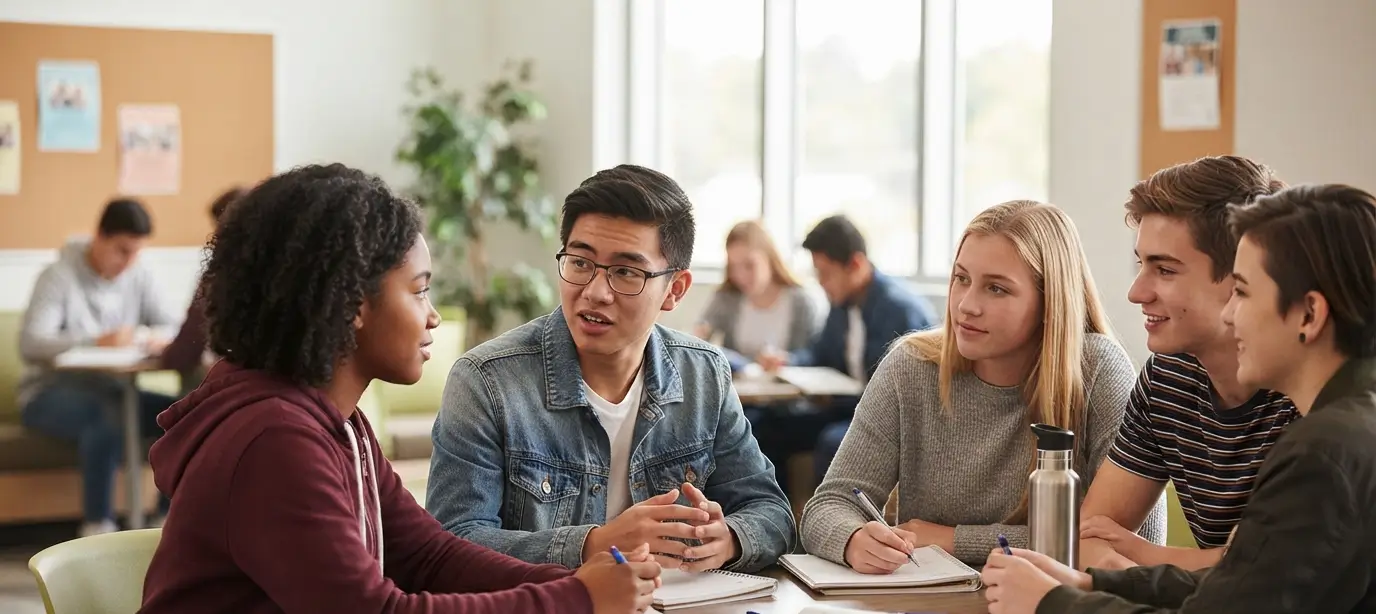
High school can be an exciting time, but it can also feel stressful and confusing. Students have to deal with schoolwork, exams, friendships, family expectations, social pressure, and questions about their future. At the same time, they are learning how to become more independent and make important decisions.
This is where social emotional learning, often called SEL, can help. Social emotional learning teaches students practical skills for understanding their feelings, managing stress, building healthy relationships, making responsible choices, and handling difficult situations. These skills can help students not only in school but also in college, work, family life, and everyday situations.
What Is Social Emotional Learning?
It is the process of developing skills that help people understand themselves and interact healthily with others. For high school students, Social Emotional Learning can include learning how to:
- Understand and express emotions
- Manage stress and strong feelings
- Set realistic goals
- Communicate with others
- Build healthy relationships
- Understand other people’s feelings
- Make responsible decisions
- Solve problems peacefully
These skills may sound simple, but students use them every day. A teenager may need emotional skills when receiving a disappointing grade. They may need communication skills when working on a group project. They may need decision-making skills when dealing with peer pressure. SEL gives students a chance to practice these skills before they face more complicated situations later in life.
Why Is Social Emotional Learning Important for High School Students?
High school students face many changes at once. Academic pressure can increase as students prepare for college, trade school, work, or other plans after graduation. Friendships can also change. Students may experience disagreements, social pressure, or concerns about fitting in. Some students also have responsibilities at home or part-time jobs that add to their daily stress.
Social emotional learning does not remove these challenges. Instead, it can help students develop better ways to respond to them.
1. SEL Helps Students Manage Stress
Empathy means understanding what another person may be feeling or experiencing. A high school student may see a quiet classmate and assume that person does not want to talk. In reality, the student may feel nervous, lonely, or uncomfortable in social situations.
Learning empathy can help students avoid quick judgments. It can also improve classroom relationships. When students learn to consider how their words and actions affect others, they may become more thoughtful when dealing with classmates.
2. SEL Builds Self-Awareness
Self-awareness means understanding your own emotions, thoughts, strengths, weaknesses, and reactions. This skill can help students understand why they feel angry, nervous, disappointed, or frustrated.
For example, a student may think, “I hate this class.” After thinking about the situation, they may realize that they actually feel nervous because they are struggling with the subject. That difference matters. Once students understand the real problem, they can look for a useful solution instead of simply reacting to the emotion.
3. SEL Can Improve Relationships
Relationships play an important role in the high school experience. Students interact with classmates, teachers, parents, coaches, siblings, and other people every day. Misunderstandings can happen easily, especially when people react without listening.
Social emotional learning can help students practice skills such as listening, showing respect, expressing concerns clearly, and understanding different viewpoints. For example, instead of saying, “You never listen to me,” a student may learn to explain what happened and how it made them feel. This can create a better chance for a productive conversation.
SEL Can Support Better Decision-Making
Teenagers make many decisions during high school. Some decisions seem small, while others can have long-term effects. Students may face choices related to friendships, schoolwork, social media, relationships, driving, substance use, and future education or employment. SEL can encourage students to slow down and think about possible consequences before acting.
A Simple Decision-Making Process
Students can ask themselves:
- What exactly is the problem?
- What choices do I have?
- What could happen after each choice?
- Could my decision hurt me or someone else?
- Which choice fits my goals and values?
This does not guarantee that students will always make perfect decisions. It gives them a useful way to think before they act.
SEL Helps Students Develop Empathy
Empathy means trying to understand what another person may be feeling or experiencing. A high school student may see a quiet classmate and assume that person does not want to talk. In reality, the student may feel nervous, lonely, or uncomfortable in social situations.
Learning empathy can help students avoid quick judgments. It can also improve classroom relationships. When students learn to consider how their words and actions affect others, they may become more thoughtful when dealing with classmates.
Social Emotional Learning and Academic Success
SEL is not only about feelings and relationships. It can also support skills that students use for learning. A student who can manage frustration may be more willing to try a difficult problem again. A student who can set goals may have an easier time organizing schoolwork.
For example, a student preparing for a major exam might create a study schedule instead of waiting until the night before the test. The academic result depends on many factors, of course. SEL should not be treated as a guarantee of better grades. Its value comes from helping students build skills that can support learning and daily school life.
How Schools Can Teach Social Emotional Learning
Schools can include SEL in different parts of the school experience. It does not always need to happen as a separate class. Teachers can use classroom discussions, group activities, reflection exercises, problem-solving activities, and real-life situations to help students practice these skills.
1. Teachers Can Create Safe Classroom Discussions
A classroom can give students opportunities to discuss common situations such as handling disagreements, dealing with failure, setting goals, and managing pressure. Students can learn from each other’s experiences while practicing respectful communication.
2. Schools Can Teach Practical Coping Skills
Students can learn simple ways to manage everyday stress. For example, a teacher might help students learn how to organize a busy week, recognize signs of frustration, take a short pause before reacting, or ask an adult for support. The goal should be practical skills that students can use outside the classroom too.
What Parents Can Do at Home
Parents also have an important role in social emotional learning. A parent does not need to give formal lessons. Everyday conversations can provide opportunities to develop these skills. If a teenager comes home upset about a disagreement with a friend, a parent can listen before immediately giving advice.
Asking questions such as “What happened?” or “How did that make you feel?” can help the teenager think through the situation. Parents can also model healthy behavior. When adults calmly handle disagreements, admit mistakes, and talk about emotions, teenagers can learn from what they see.
SEL Should Not Replace Other Student Support
Social emotional learning can be useful, but it should not replace professional support when a student needs more help. A student dealing with serious emotional or behavioral difficulties may need support from a qualified mental health professional, school counselor, doctor, or another appropriate professional. SEL works best as one part of a wider support system that can include families, teachers, counselors, and other trusted adults.
Conclusion
High school prepares students for much more than tests and graduation. Students also need to learn how to handle pressure, communicate with others, understand their emotions, solve problems, and make thoughtful decisions.
Social emotional learning gives students opportunities to develop these everyday skills. When schools and families support social emotional learning, students can get more practice dealing with real-life situations in healthy and responsible ways. These skills can remain useful long after students leave high school because emotional awareness, communication, relationships, and decision-making matter in college, work, family life, and many other parts of adulthood.
