


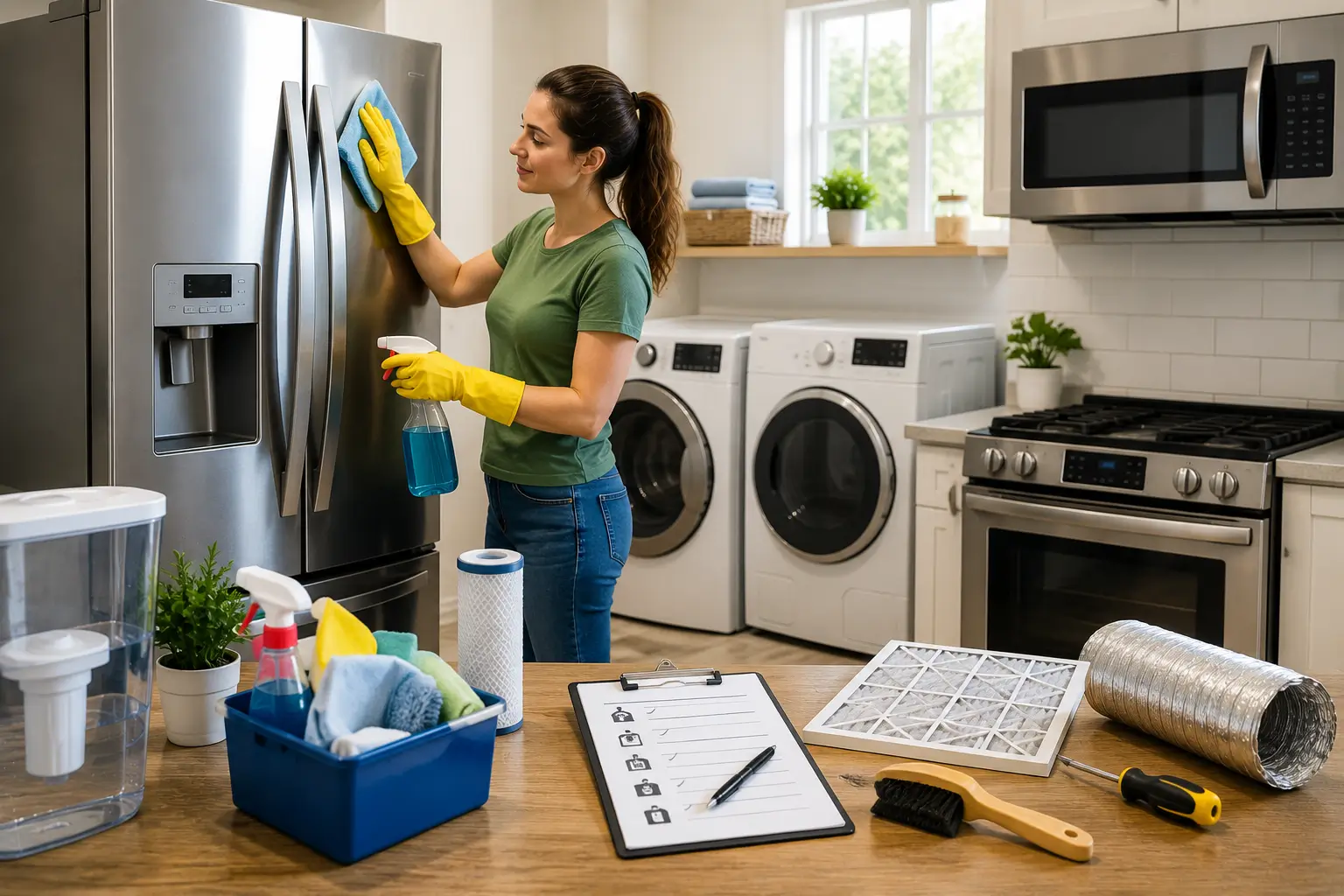
Most people do not think much about their home appliances until something stops working. One day your refrigerator is keeping food cold, your washing machine is cleaning clothes without any issues, and your dishwasher is running like normal. Then suddenly, one of them breaks down, leaving you with an unexpected repair bill or the expense of buying a replacement.
The good news is that home appliance problems rarely happen all at once. They usually start slowly due to dust, lack of care, or daily wear and tear. How you use and clean your machines makes a huge difference in how long they last.
You do not need special skills or expensive tools to take care of them. A few easy habits will help you avoid expensive repair bills and keep your home appliances working great for many years.
Why Home Appliances Maintenance Matters
Home appliances represent a significant investment and can affect your finances. Whether it’s a refrigerator, oven, washing machine, dryer, microwave, or air conditioner, replacing any of these can be expensive. Regular maintenance helps appliances perform efficiently while reducing unnecessary wear. A well-maintained appliance also uses energy more effectively, which may help lower monthly utility bills.
Most importantly, taking care of your appliances helps prevent small issues from becoming major problems.
Clean Your Appliances Regularly
Cleaning is one of the simplest ways to increase the life of your appliances. Dust, grease, food particles, lint, and dirt slowly build up over time. This buildup forces appliances to work harder than necessary.
For example, refrigerator coils covered with dust cannot release heat efficiently. The compressor must then work longer to maintain the correct temperature.
The same idea applies to dryers with clogged lint filters or dishwashers with blocked spray arms. Set aside a few minutes every month to clean both the inside and outside of your appliances.
Avoid Overloading Machines
Many appliance failures happen because people try to do too much at once.
- Overloading a washing machine puts extra pressure on the motor, drum, suspension, and bearings.
- Packing a dishwasher too tightly prevents proper water circulation, leaving dishes dirty while placing extra strain on the pump.
- Even your fridge needs room to breathe. Packing it completely full blocks the cold air from moving around, which forces the motor to work harder.
Sticking to the space limits recommended by the maker keeps your appliances running smoothly and saves energy.
Read the Home Appliances User Manual
Many owners store the manual in a drawer and never look at it again. However, the manual contains valuable information about maintenance schedules, cleaning recommendations, operating instructions, and safety precautions.
Different brands have different maintenance needs. Reading the manual helps you understand exactly how your appliance was designed to operate. Even if you’ve owned similar appliances before, spending a few minutes reviewing the instructions can prevent costly mistakes.
Keep Appliances Level
Home appliances work best when placed on a flat, stable surface.
A washing machine that rocks during the spin cycle experiences unnecessary vibration. Over time, this can loosen components and increase wear.
Refrigerators that lean slightly may not allow doors to seal properly, causing the compressor to run longer.
Checking home appliance leveling every few months takes only a few minutes but helps prevent long-term damage.
Replace Small Parts Before They Fail
Some home appliance parts naturally wear out over time. Water filters, refrigerator door seals, dishwasher filters, air conditioner filters, and dryer vents all require regular attention. Replacing inexpensive parts early often prevents expensive repairs later.
Ignoring a damaged refrigerator gasket, for example, allows cold air to escape continuously, increasing energy use and shortening compressor life.
Keep Your Home Appliances Safe From Power Surges
- The Problem: Sudden power spikes can easily ruin the delicate computer parts inside modern appliances.
- For Small Appliances: Plug items like coffee makers, microwaves, and blenders into good-quality surge protectors to keep them safe.
- For Big Appliances: Hire a licensed electrician to install a whole-house surge protector. This protects major appliances during storms and unexpected jumps in electricity.
Small Daily Habits to Keep Home Appliances Running Longer
- Clean Filters and Vents: Clean out dust regularly. When filters get dirty, they block airflow and force your appliances to work much harder, use more electricity, and wear out much faster.
- Leave Breathing Room: Give fridges, freezers, and dryers enough space. Good airflow keeps them cool and prevents dangerous overheating.
- Fix Small Issues Fast: Don’t ignore weird noises, leaks, or shakes. Taking care of small problems right away saves you money and stops major breakdowns later.
- Use the correct settings. Choosing the proper wash cycle, temperature, or cooking setting reduces unnecessary stress on motors, pumps, heating elements, and electronic controls.
These habits require very little effort, but together they help reduce wear and extend the useful life of your appliances.
How to Take Care of Your Refrigerator
Your fridge runs 24/7, making it one of the hardest-working appliances in your house.
- Clean the Coils: Clean the dust off the condenser coils at least twice a year to help it run smoothly.
- Check the Door Seals: Make sure the rubber seals stay clean and flexible. If a dollar bill slides right out when you close the door, you probably need a new seal.
- Let Food Cool First: Never put hot food straight into the fridge. It forces the motor to work much harder to cool things down.
- Use the Right Temperature: Keep your settings at the recommended level to keep your food safe while saving energy.
How to Care for Your Washing Machine
- Air Out Front-Loaders: Leave the door open after every wash. This lets water dry up and stops mold and bad smells from forming.
- Use the Right Amount of Soap: Don’t use too much detergent. Extra soap leaves behind a sticky buildup that can slow down the machine.
- Run Cleaning Cycles: Clean the inside regularly using a special washing machine cleaner or the method suggested by the manufacturer.
How to Care for Your Dishwasher
- Scrape Plates First: Clear big chunks of food off your dishes before loading. Even though modern dishwashers are strong, large scraps can clog the filters over time.
- Clean Filters and Spray Arms: Regularly clear out the filter and check the spray arms to make sure their tiny holes are not blocked.
- Run Cleaning Cycles: Run a cleaning cycle every now and then to get rid of trapped grease and hard-water buildup so it keeps cleaning efficiently.
How to Care for Your Dryer
- Clean the Lint Filter: You should always clean out the lint trap after every single load. Trapped lint blocks airflow, makes drying take longer, wastes electricity, and can even start a fire.
- Check the Vent Yearly: Inspect your dryer vent at least once a year to make sure air flows easily outside.
- Watch for Slow Drying: If your clothes suddenly take much longer to dry than usual, a clogged vent is likely the problem.
Warning Signs Your Home Appliance Needs Attention
Appliances usually give you hints before they break down completely. Watch out for these warning signs:
- Strange noises
- Burning smells
- Water leaks
- Taking longer than usual to finish
- Inconsistent temperatures
- Flashing error codes
- Frequently tripping your circuit breaker
These issues do not always mean you need an expensive repair, but you shouldn’t ignore them. Having a professional look at the appliance early can save you from a major breakdown later.
Knowing When to Replace Your Home Appliances
- When to Replace: If fixing an appliance costs nearly as much as buying a new one, or if it keeps breaking down, it is usually smarter to just buy a replacement.
- The Power of Maintenance: With regular care and quick fixes, many home appliances can run reliably for many years.
- Don’t Rush to Upgrade: If an older appliance still runs safely and efficiently, there is no need to replace it just because of its age.
Simple Ways to Remember Home Appliance Maintenance
Setting a quick calendar reminder every few months keeps you on track with important upkeep tasks.
- Clean refrigerator coils
- Check door seals
- Replace filters
- Clean dryer vents
- Run appliance cleaning cycles
- Inspect hoses and water connections
These quick, simple tasks take very little time, but they go a long way in keeping your appliances running smoothly and reliably.
Conclusion
They function better and last much longer when you take regular care of them, just like any expensive machine. You can prevent expensive repairs and extend the life of home appliances by adopting simple habits like cleaning filters, avoiding overloads, keeping an eye out for warning indications, and adhering to the manufacturer’s recommendations.
